𝘤𝘭𝘪𝘤𝘬 𝘵𝘩𝘦 𝘪𝘮𝘢𝘨𝘦 𝘵𝘰 𝘦𝘹𝘪𝘵
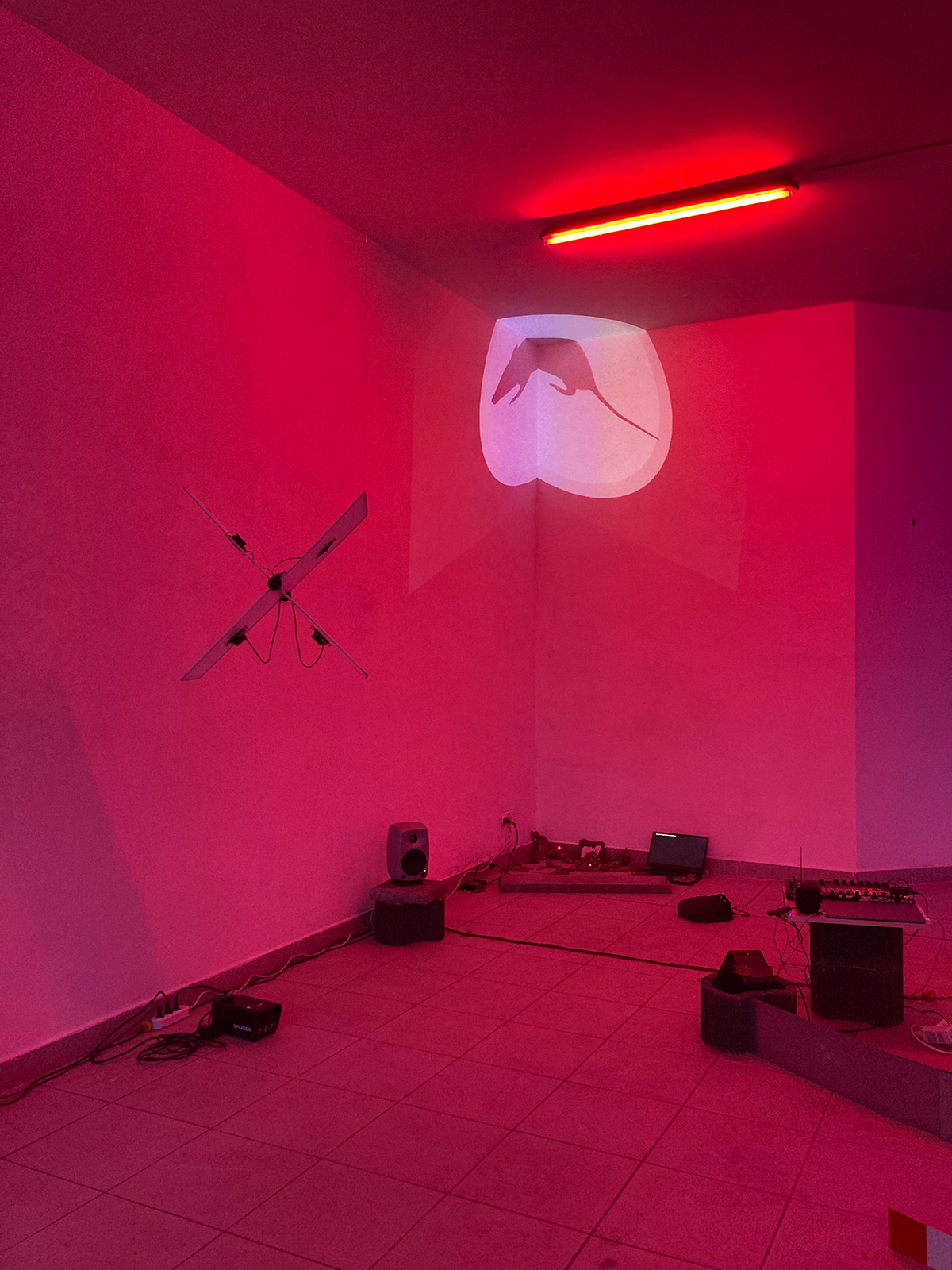
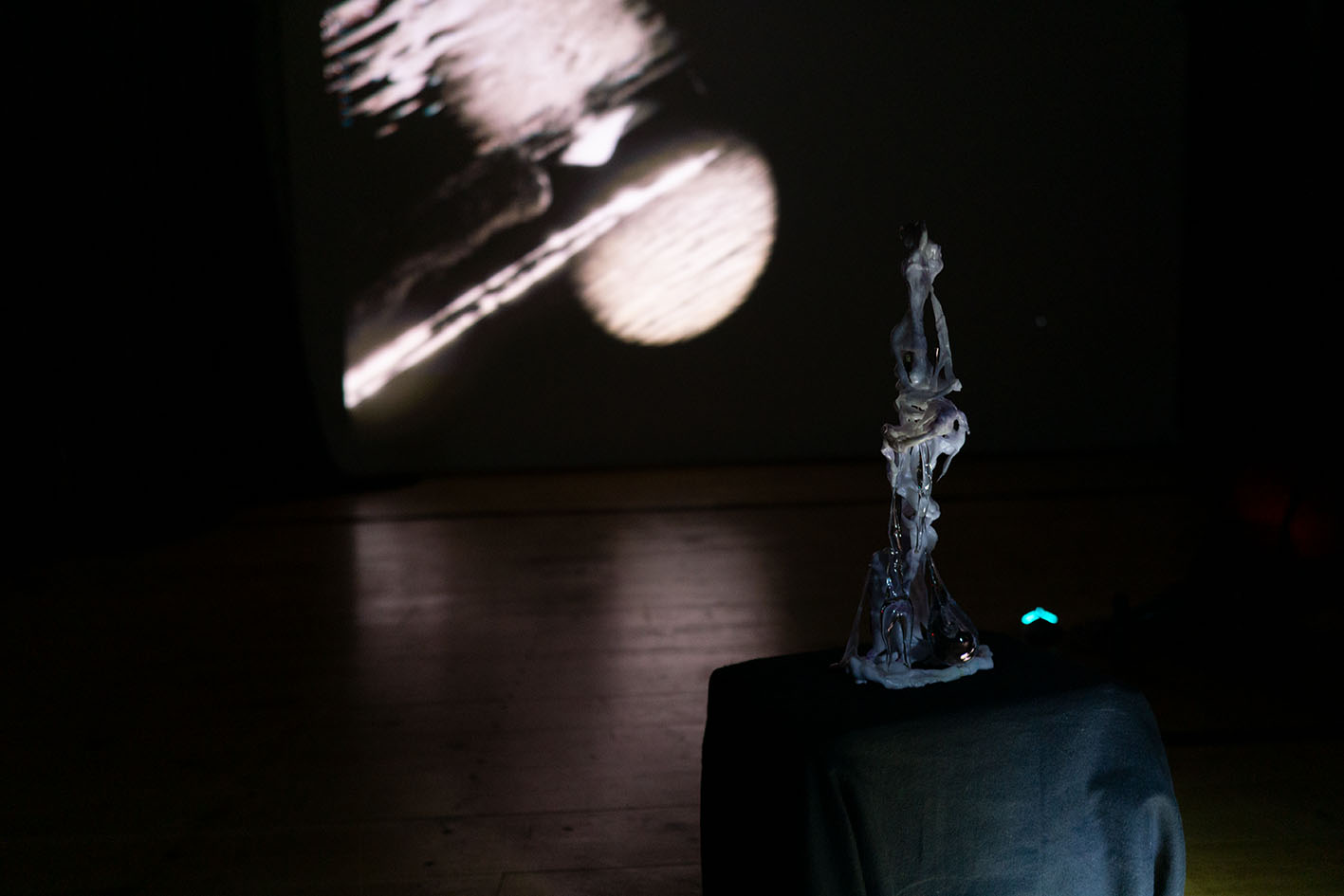
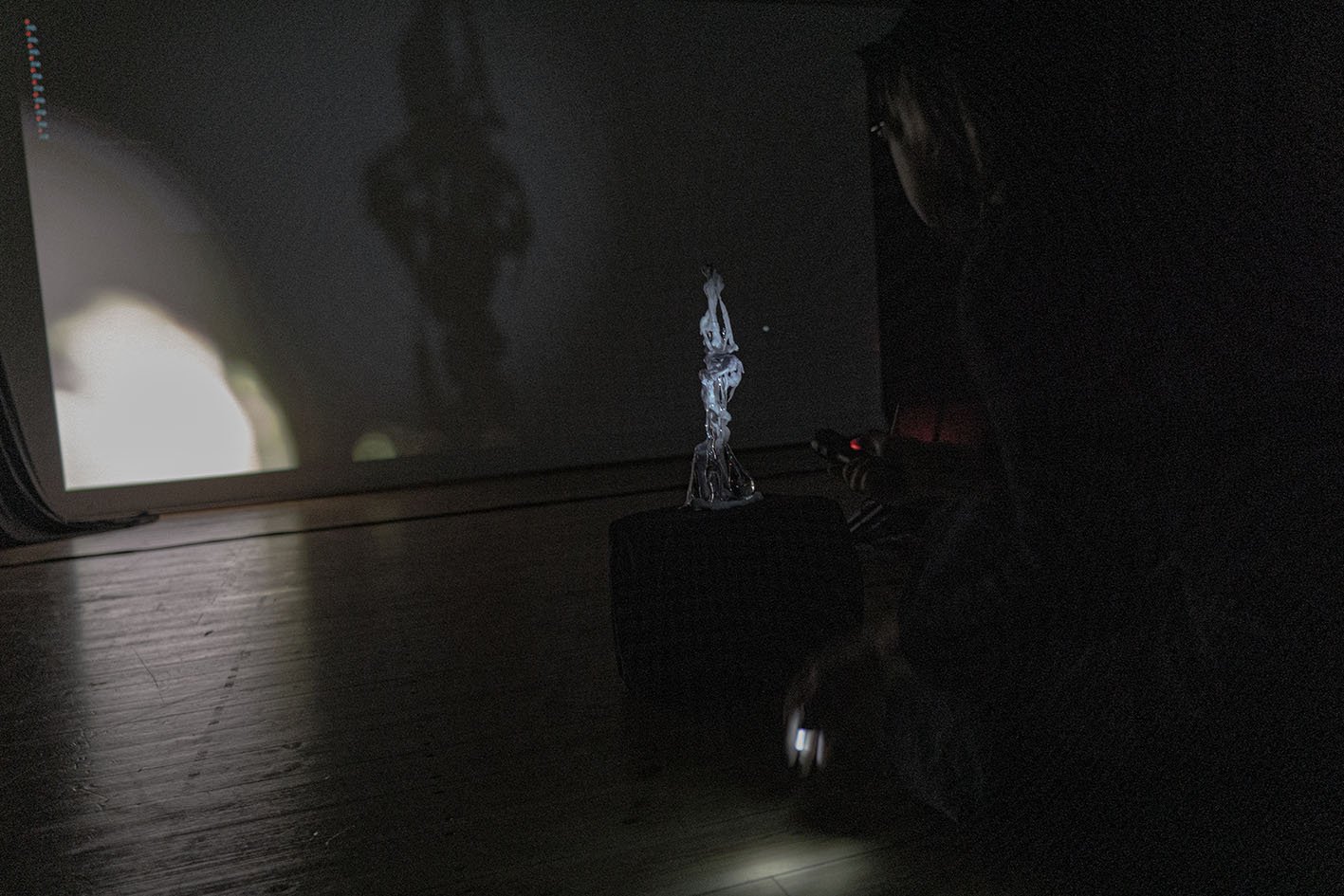
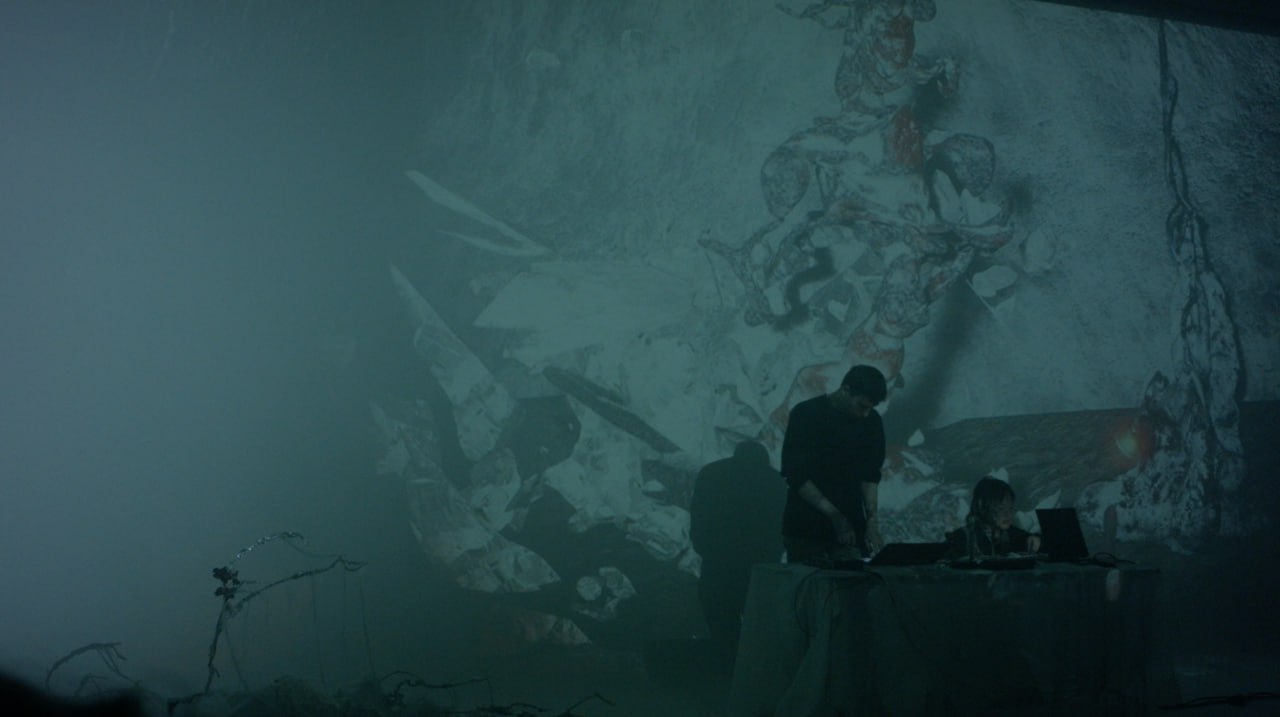
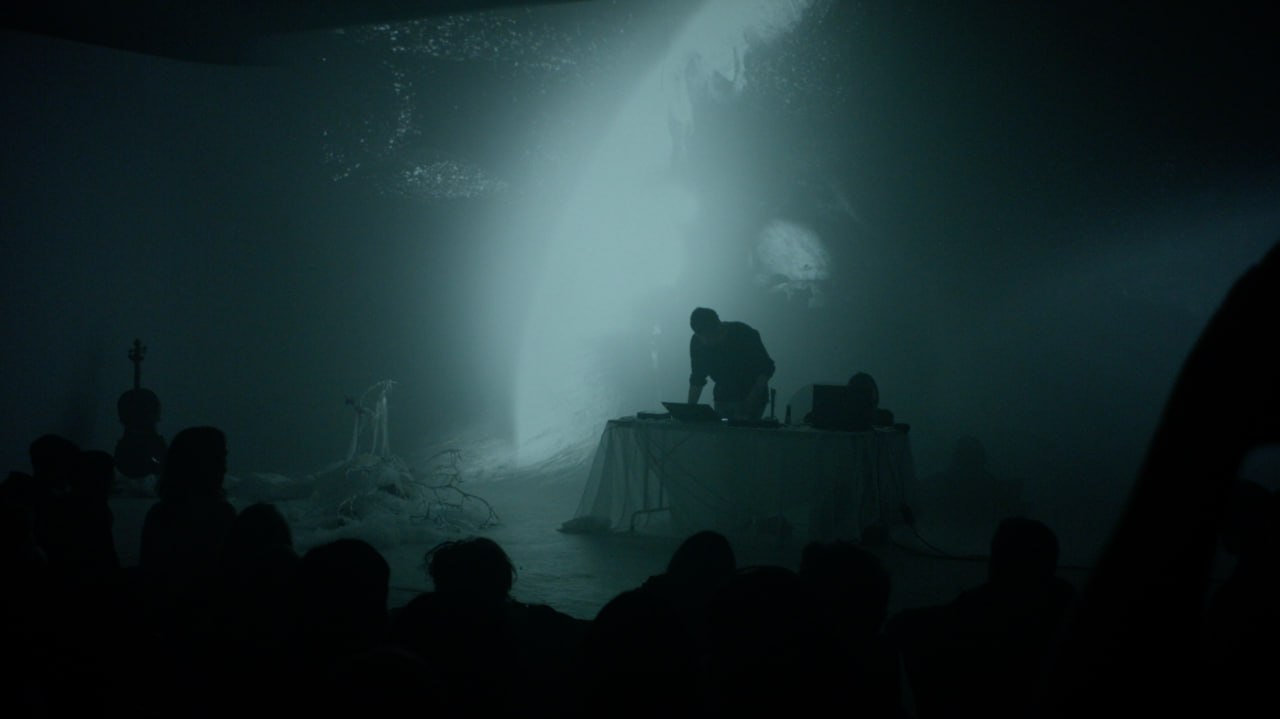
Half Body Is on the Ground and the Other Half Is Underground is an interactive installation and live audiovisual performance system built from the digital reconstruction of a burned forest. The work asks: how can a damaged site still be perceived when its original natural soundscape has been removed? How can the body become a surface through which absence, memory, and misrecognition are reorganised?
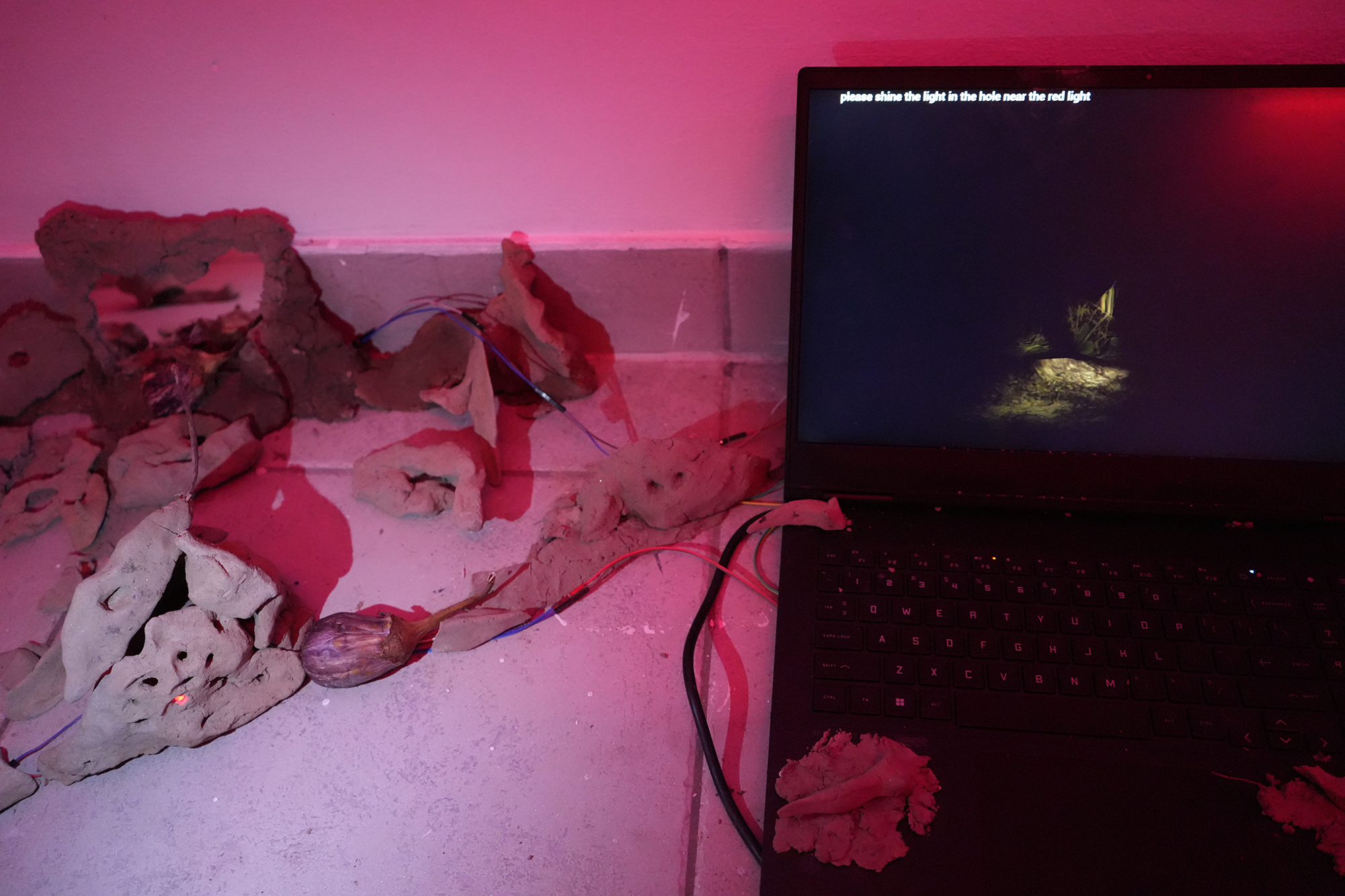
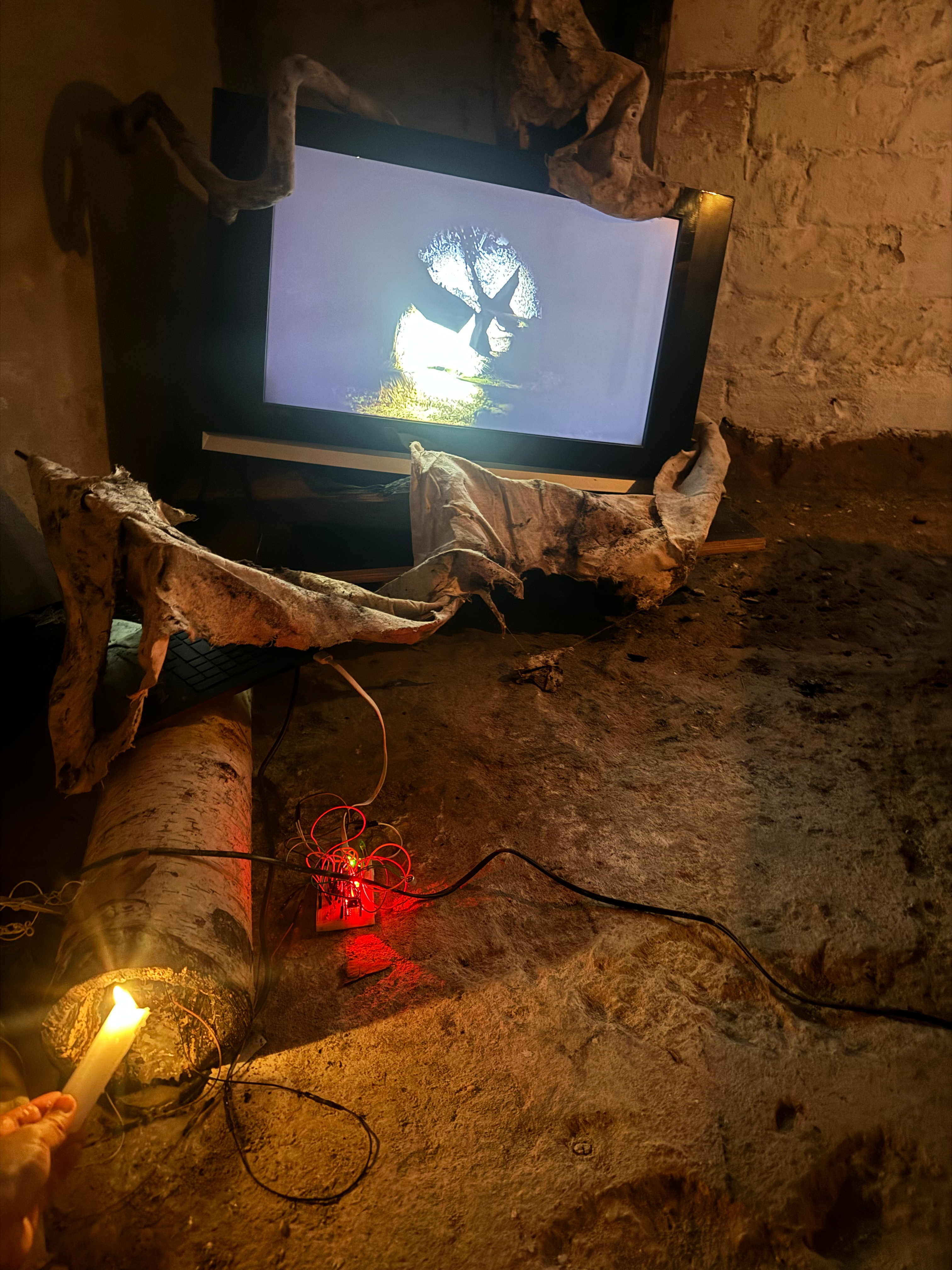
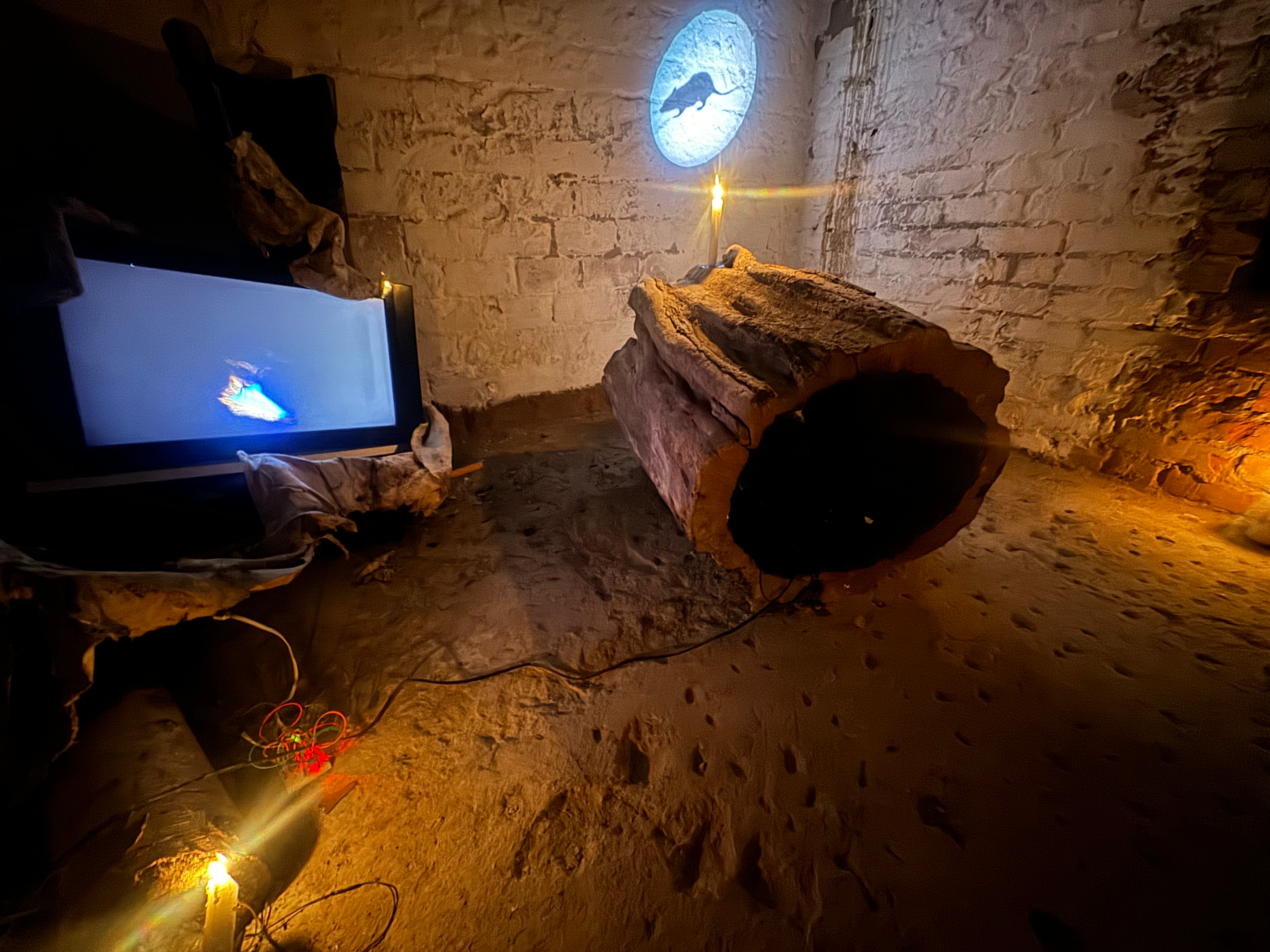
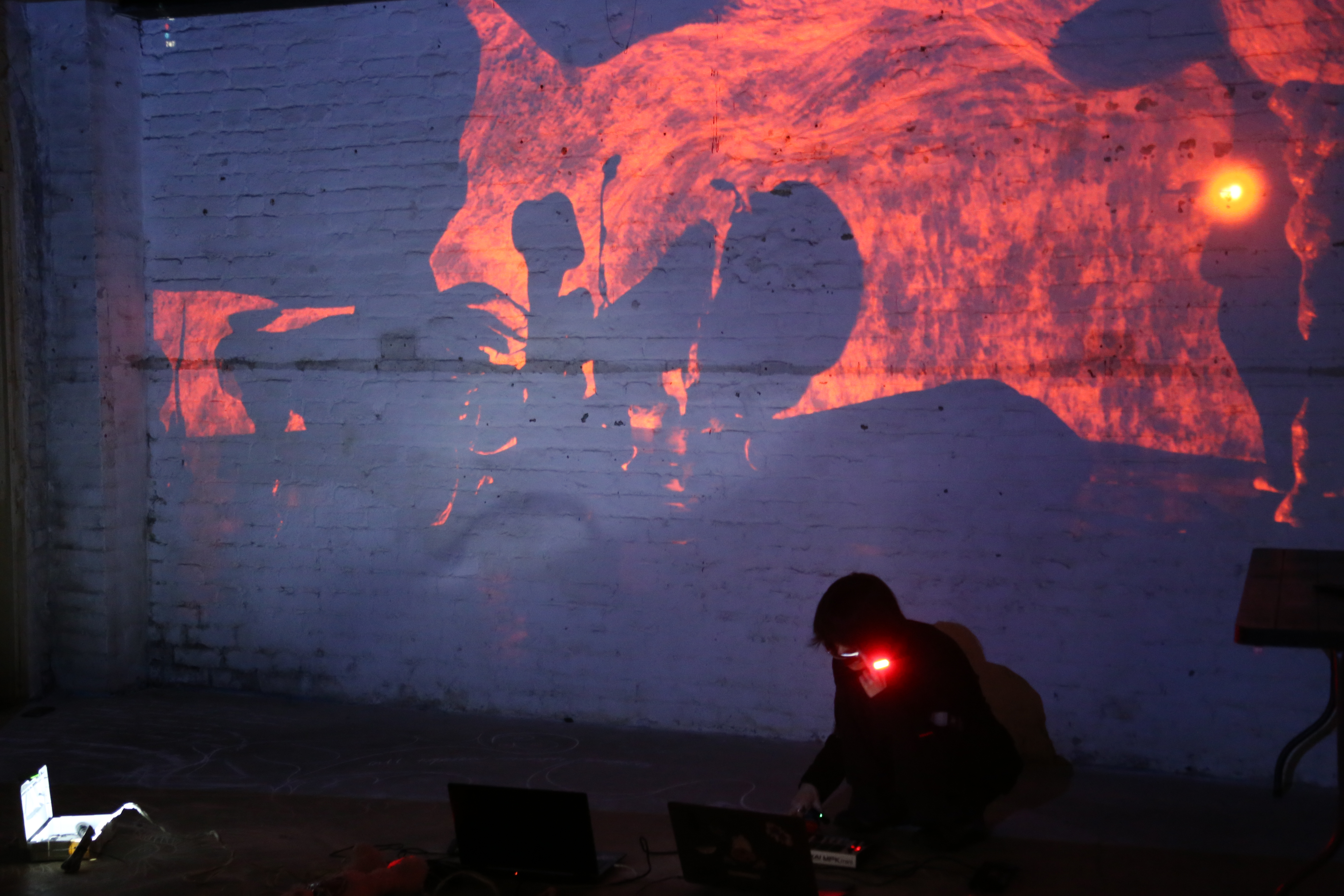
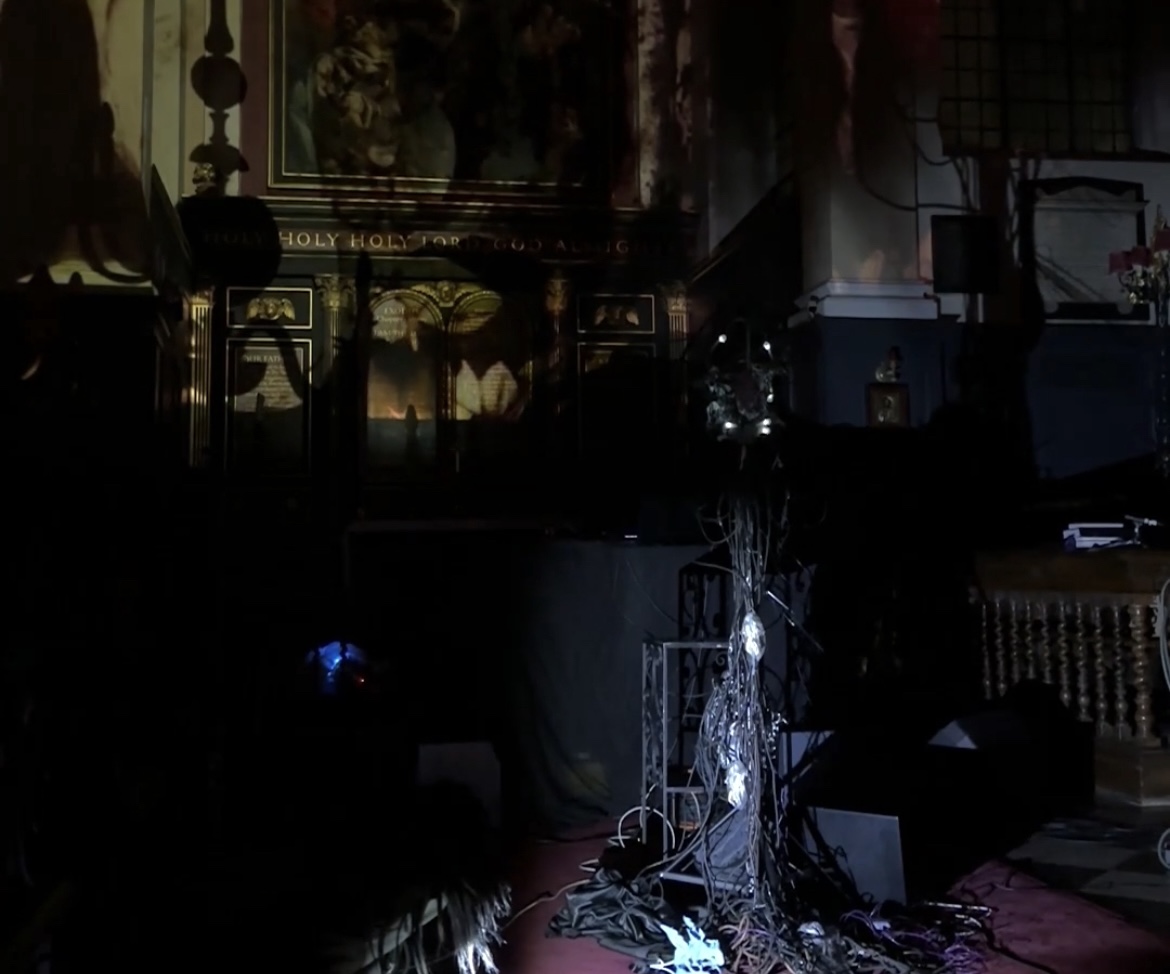
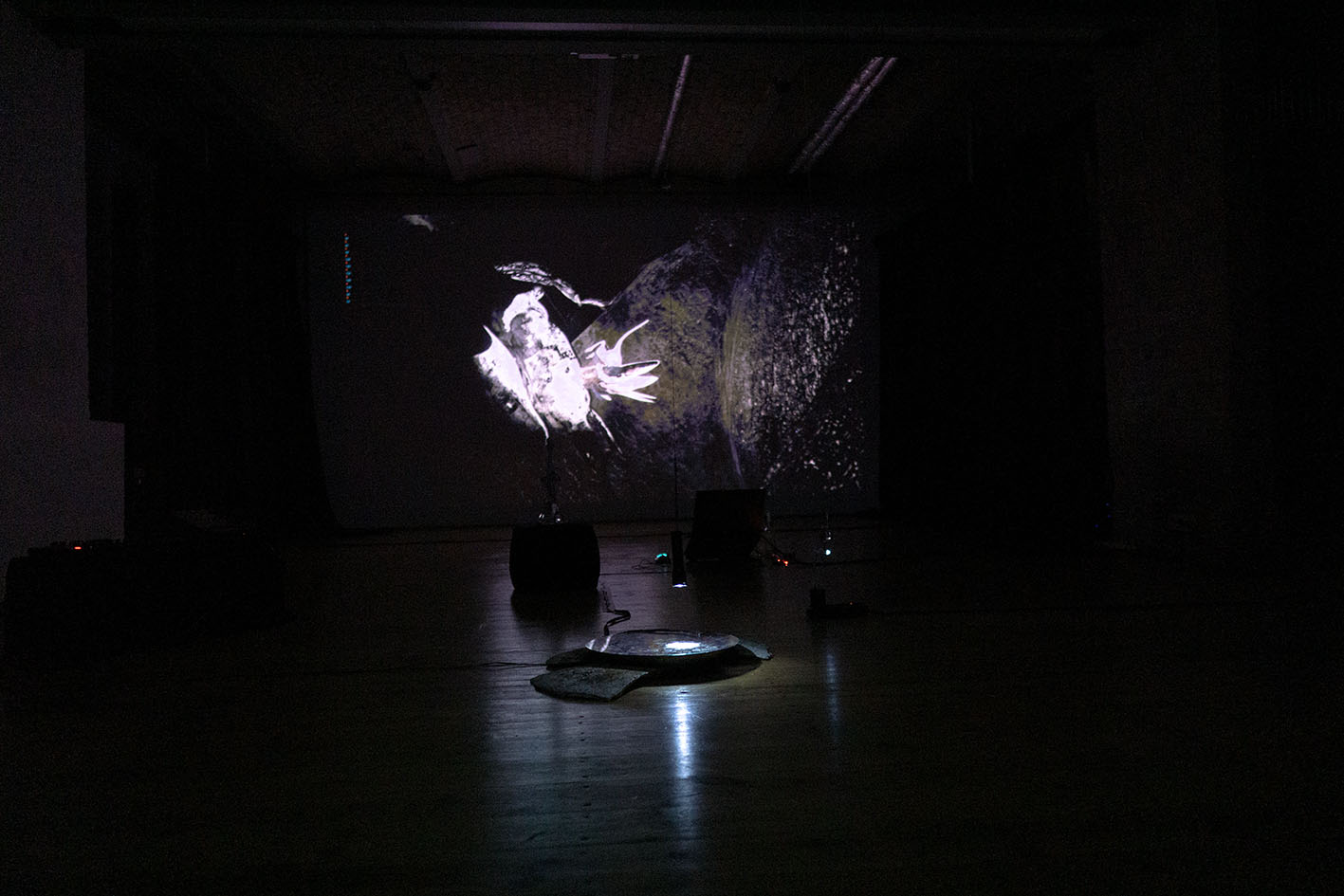
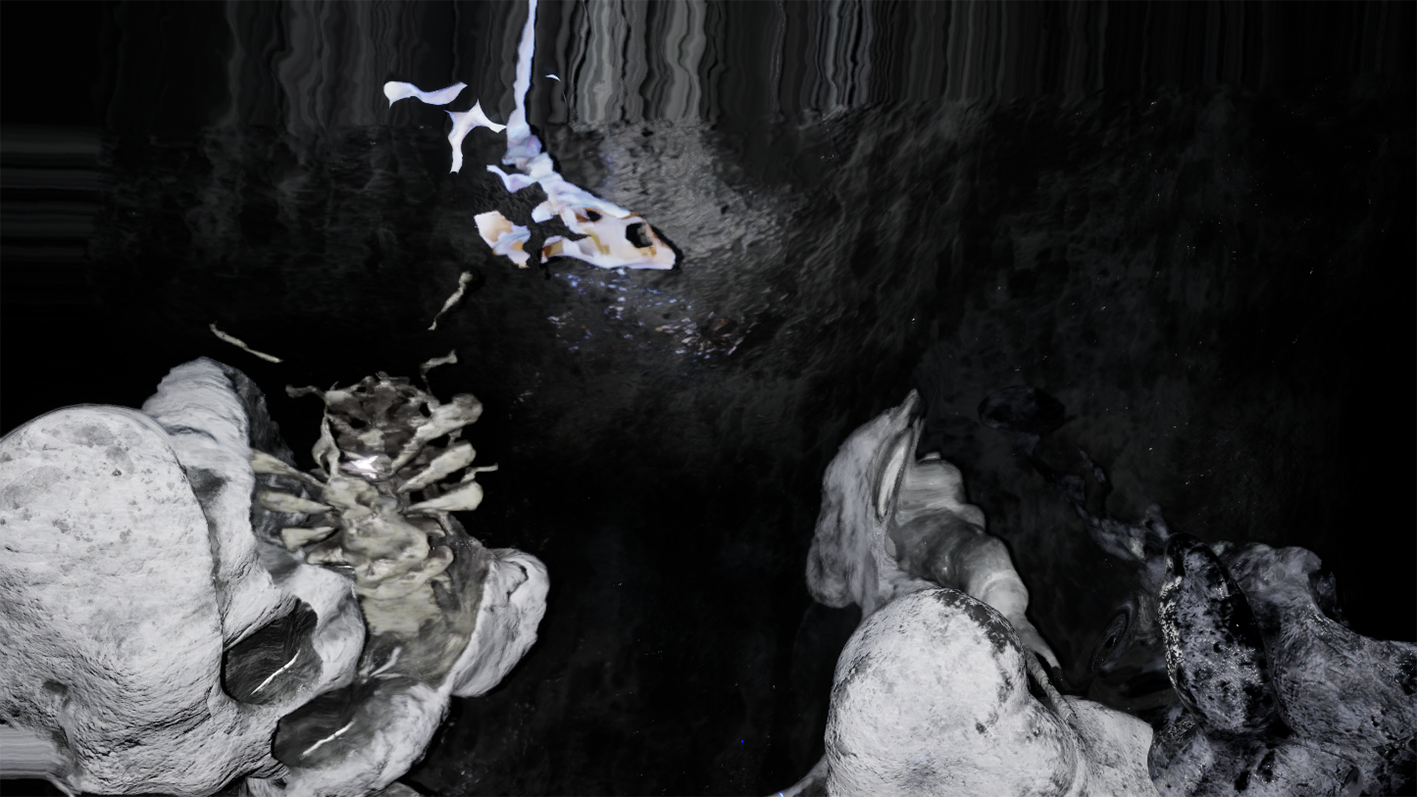
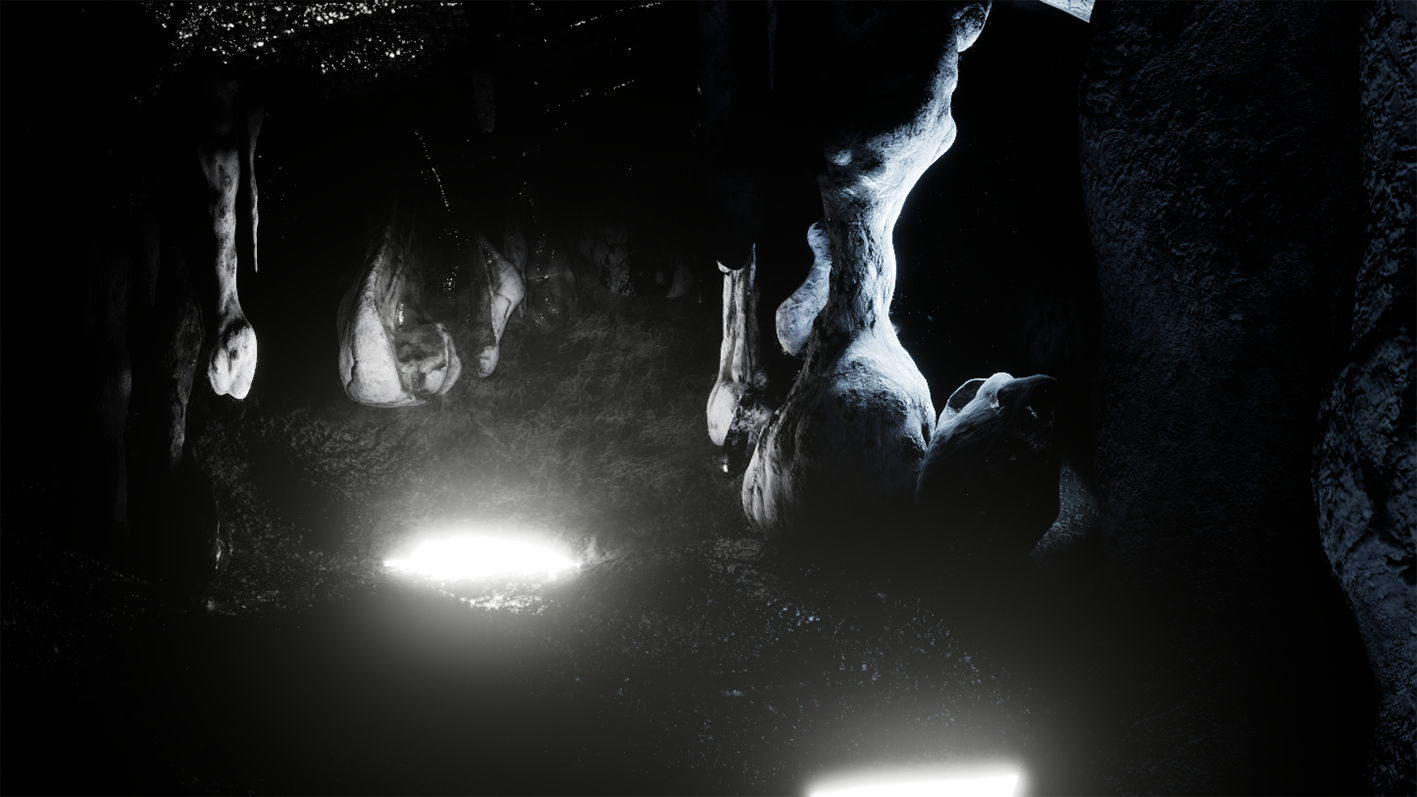
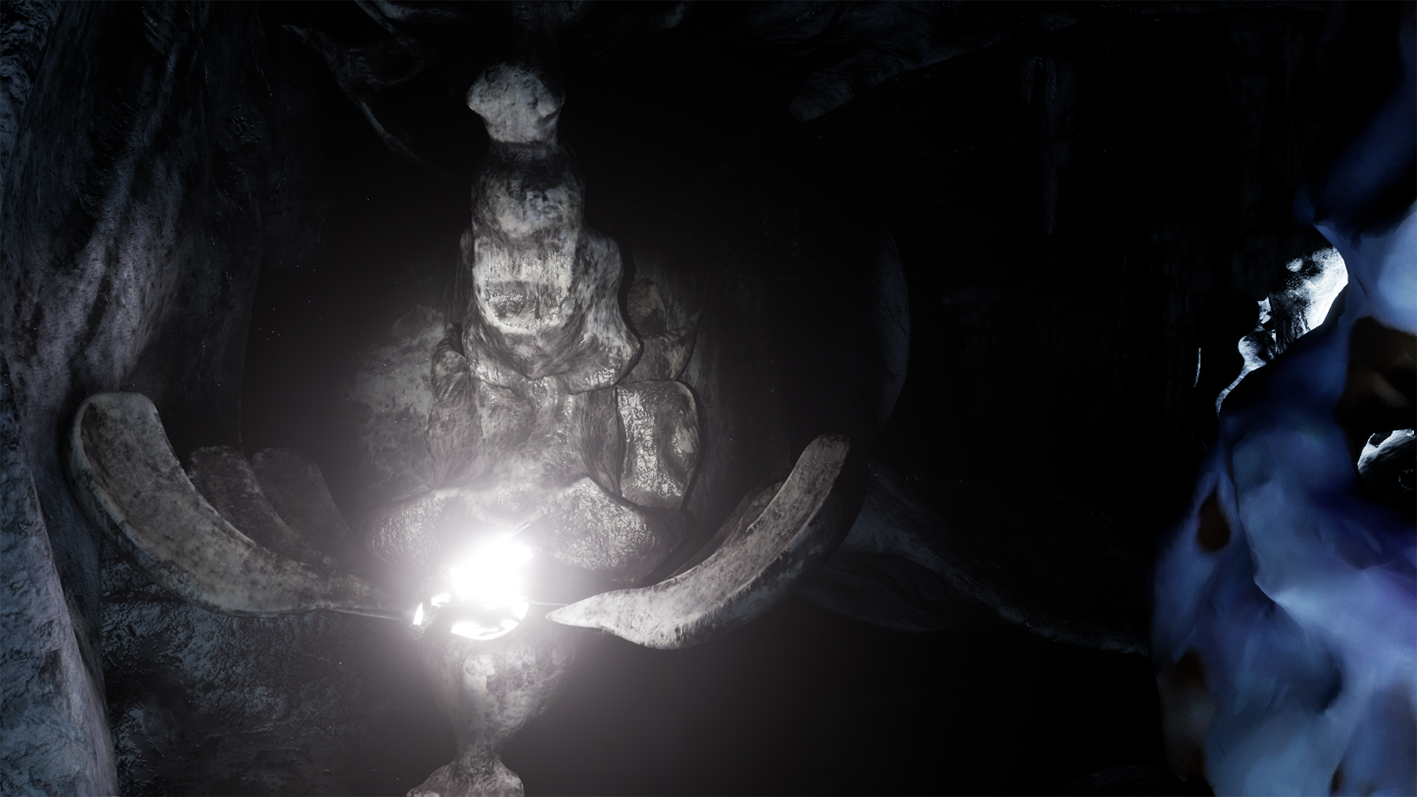
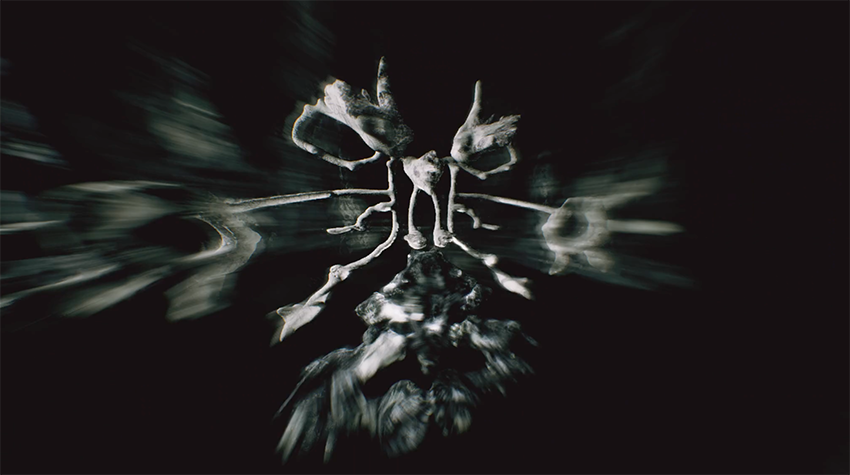
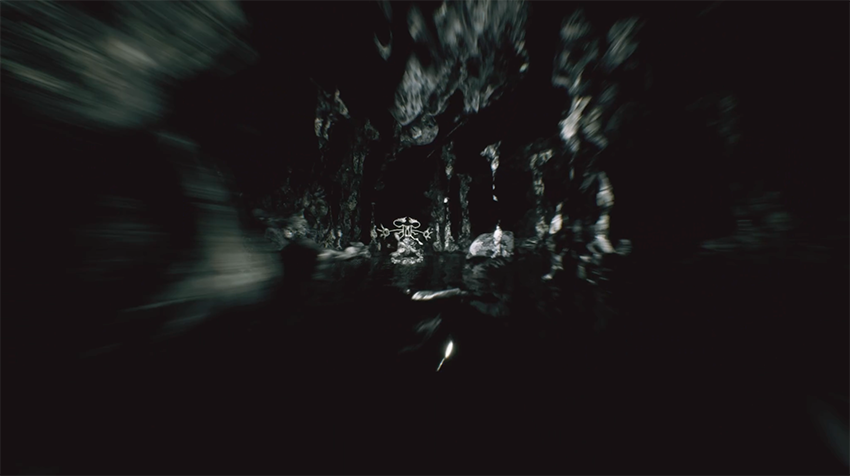
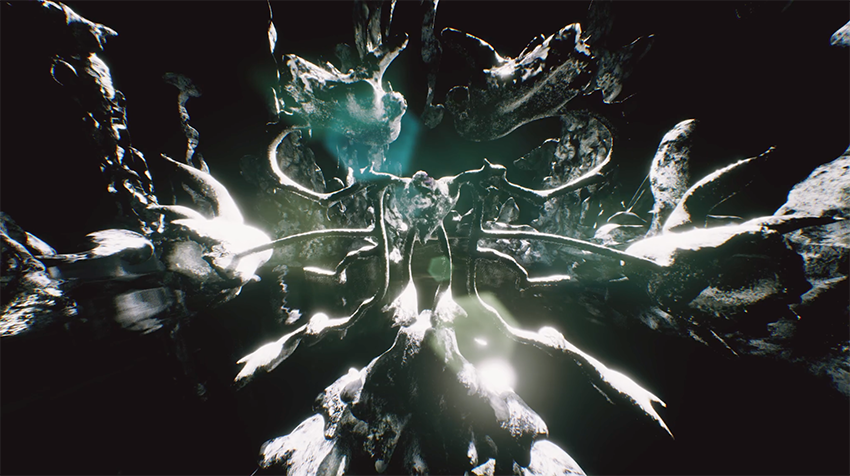
The project first developed during my residency at outsideininsideout. I used 3D scanning to record a burned forest site, then imported the charred tree trunks, ground textures, and spatial traces into Unreal Engine, where they were rebuilt as a virtual environment. The work does not try to restore the forest as a complete image. Instead, it treats it as a damaged surface: a site that can only be approached through fragments, missing sounds, flickering light, and unstable technical signals.
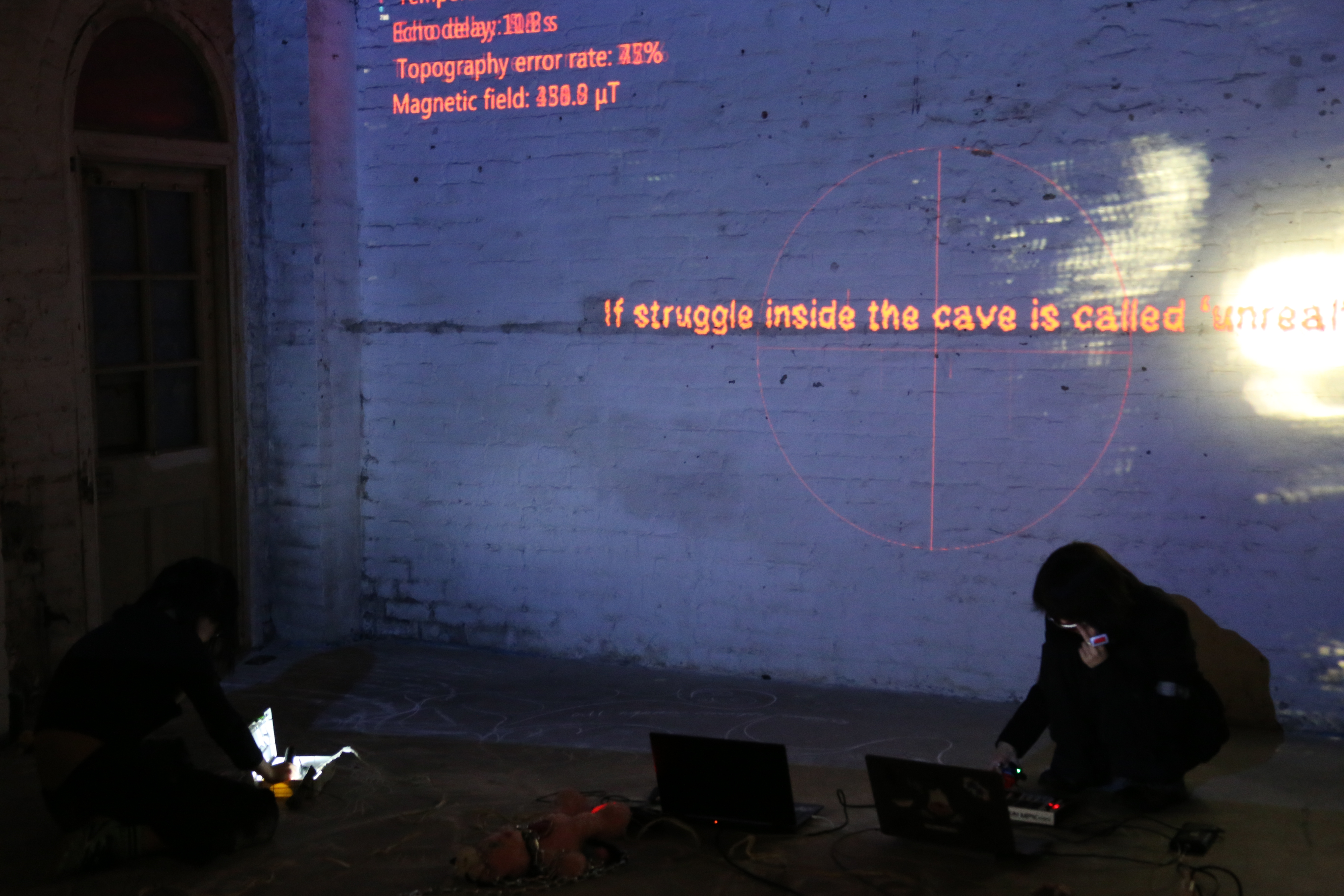
Sound is central to the work. Specific natural sounds such as birdsong, wind, insects, and rustling leaves are removed and replaced by white noise. I describe this process as a form of acoustic de-figuration. The forest is no longer recognised through the sounds that are heard, but through the sounds that should have been there and are now absent. Listening shifts from direct recognition of the site toward memory, imagination, and reconstruction.
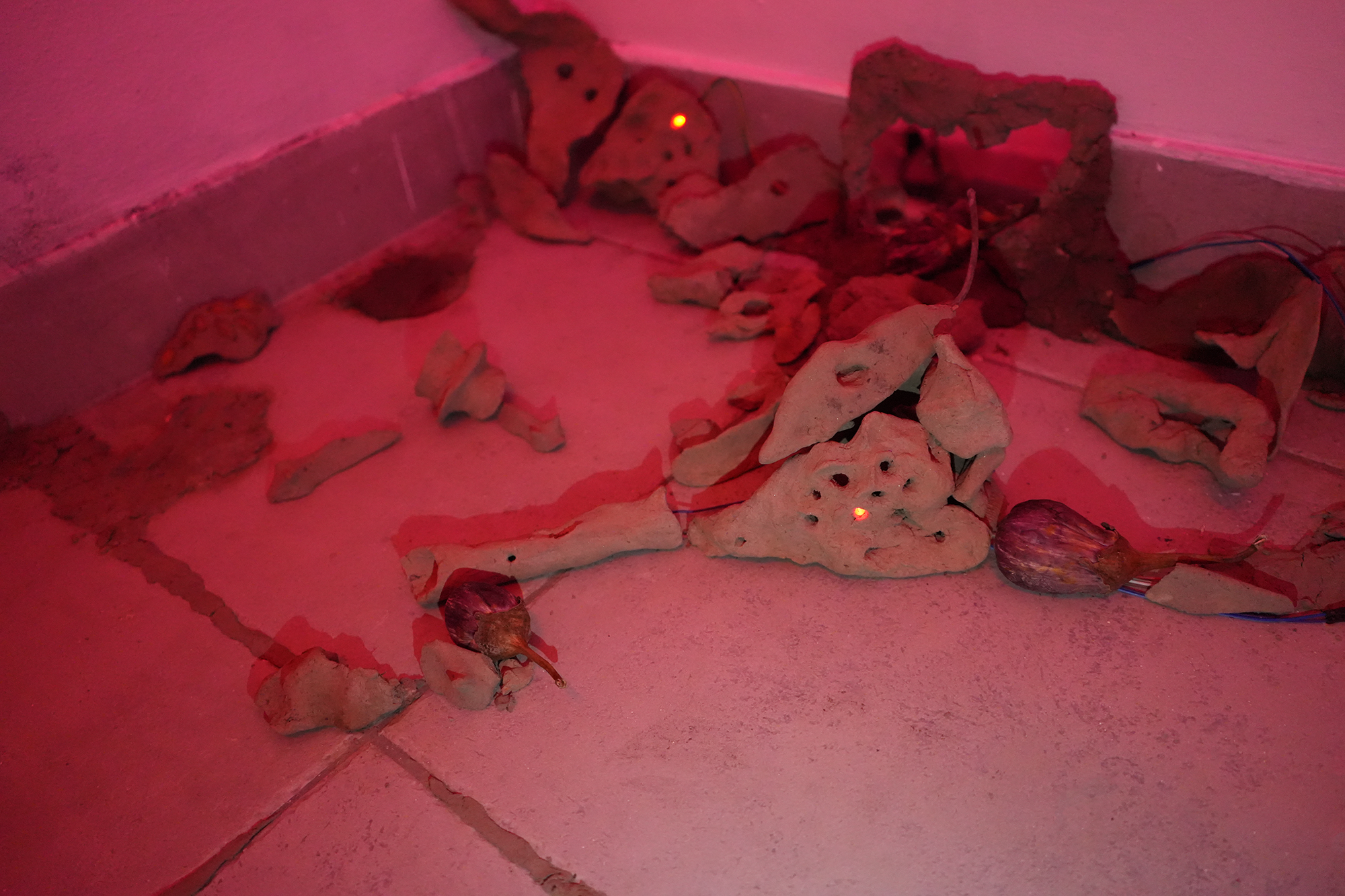
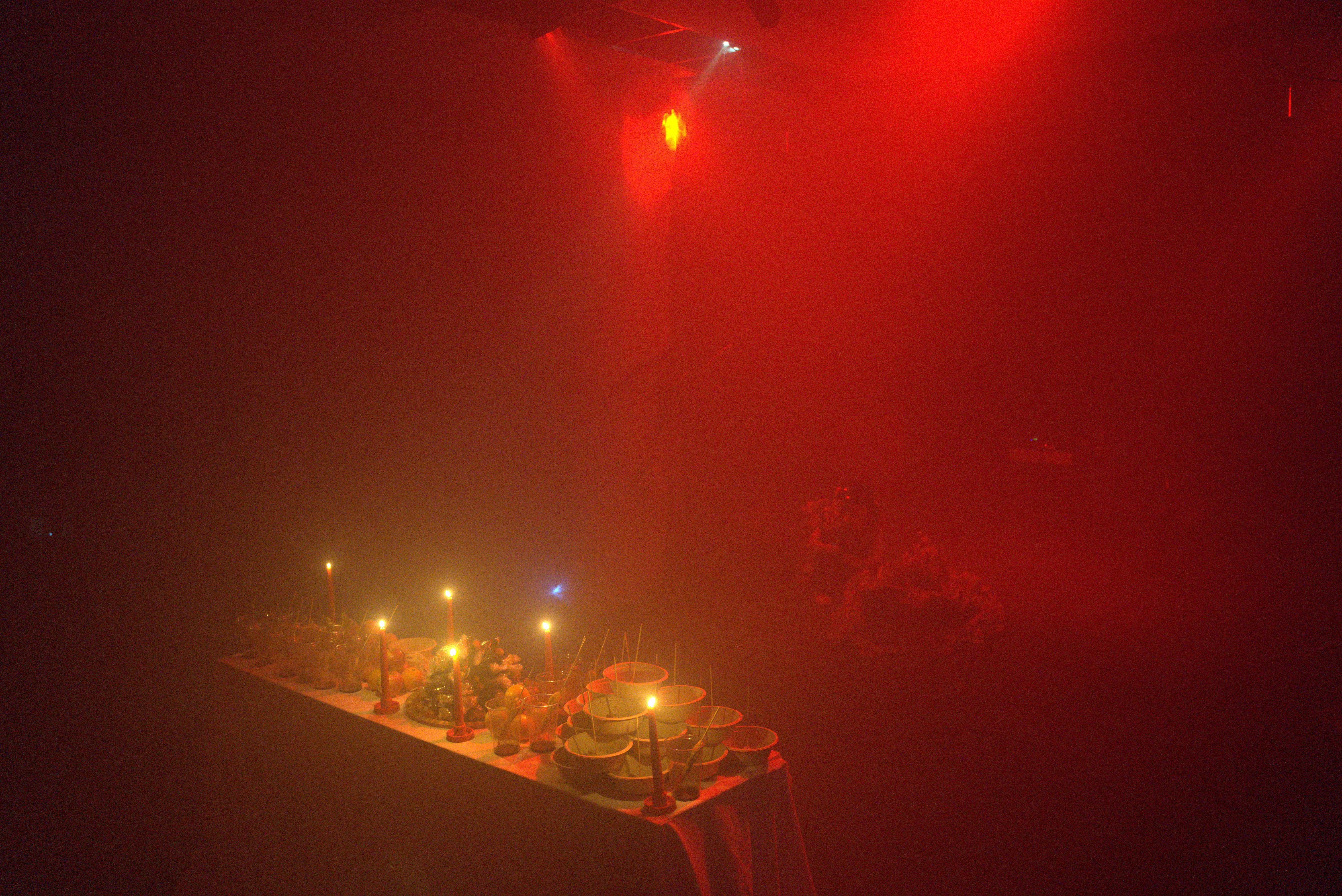
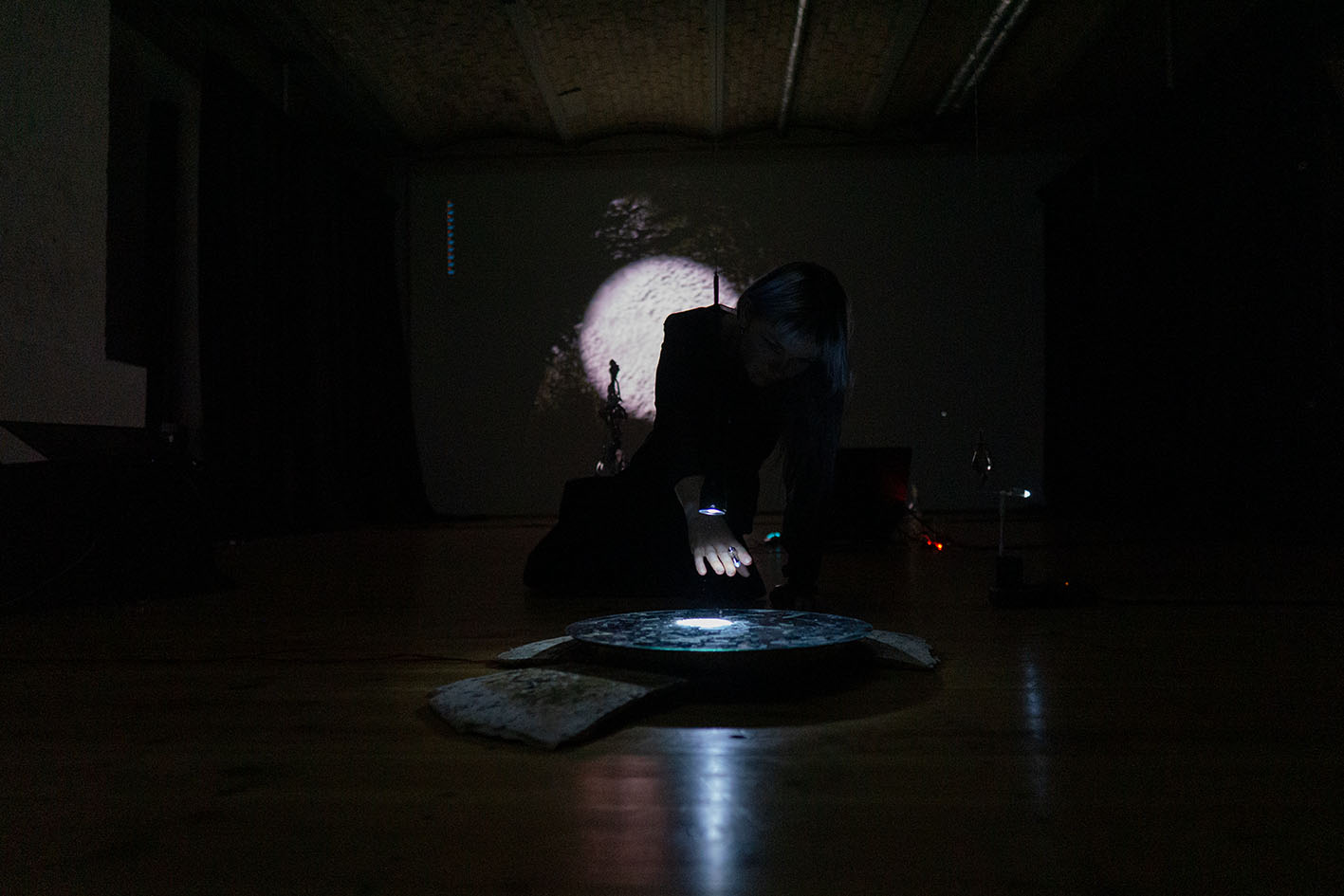
Inside the installation, a faint light flickers continuously. An Arduino light sensor reads its brightness and sends the data into Unreal Engine in real time. This signal controls the light in the virtual scene, while also modulating the intensity, density, or frequency layers of the white noise. Small fluctuations in the physical space therefore affect the image, sound, and rhythm of viewing.
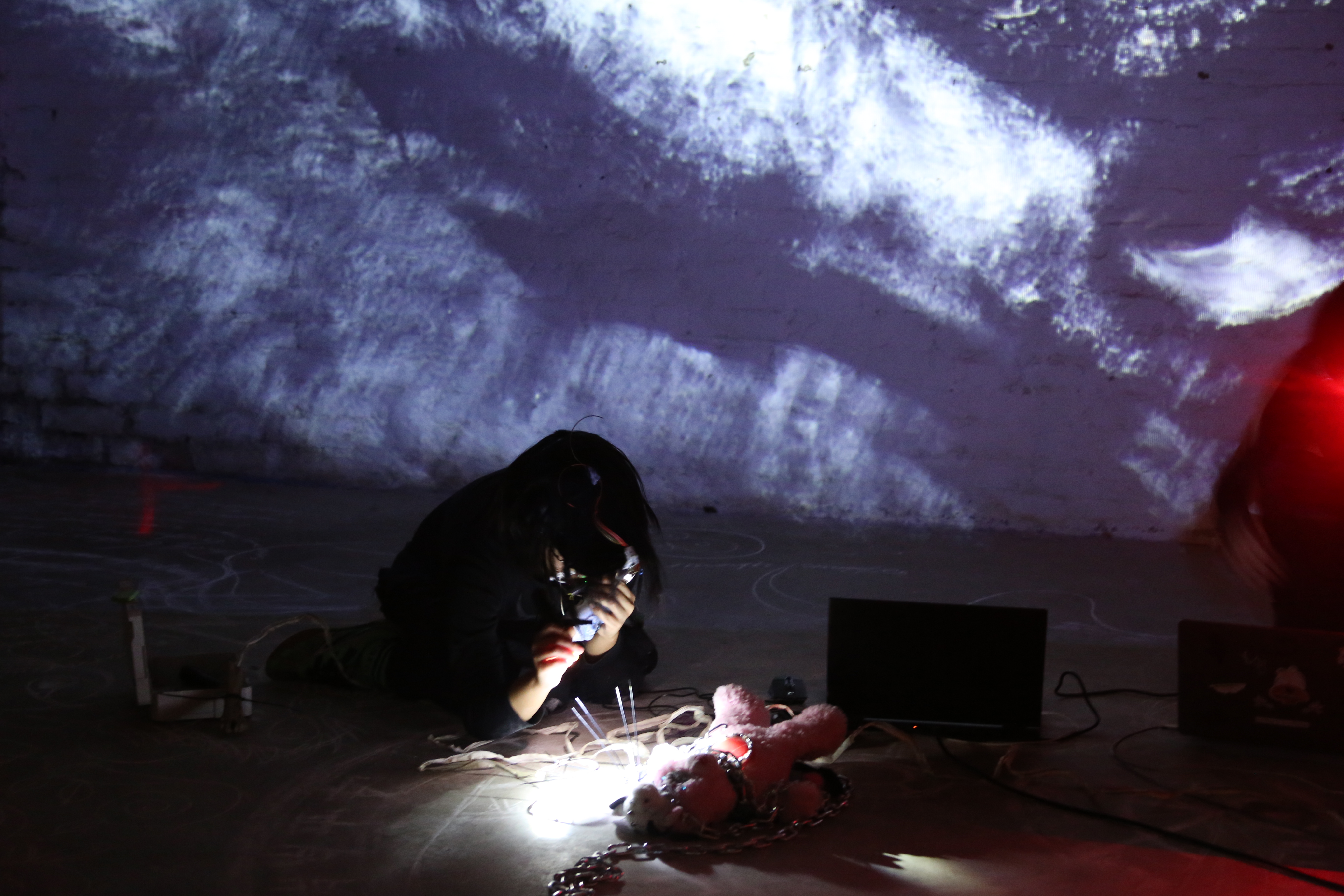
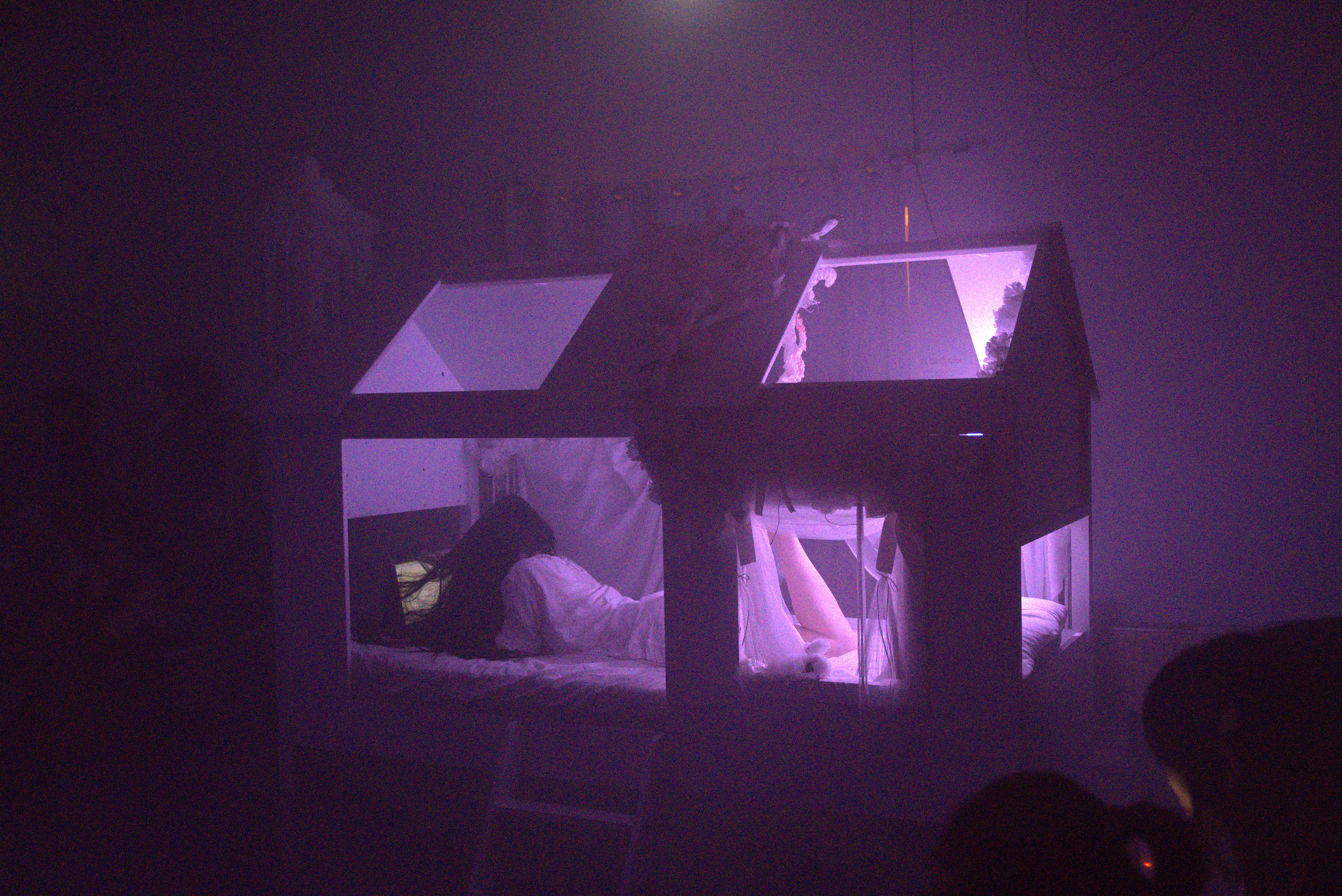
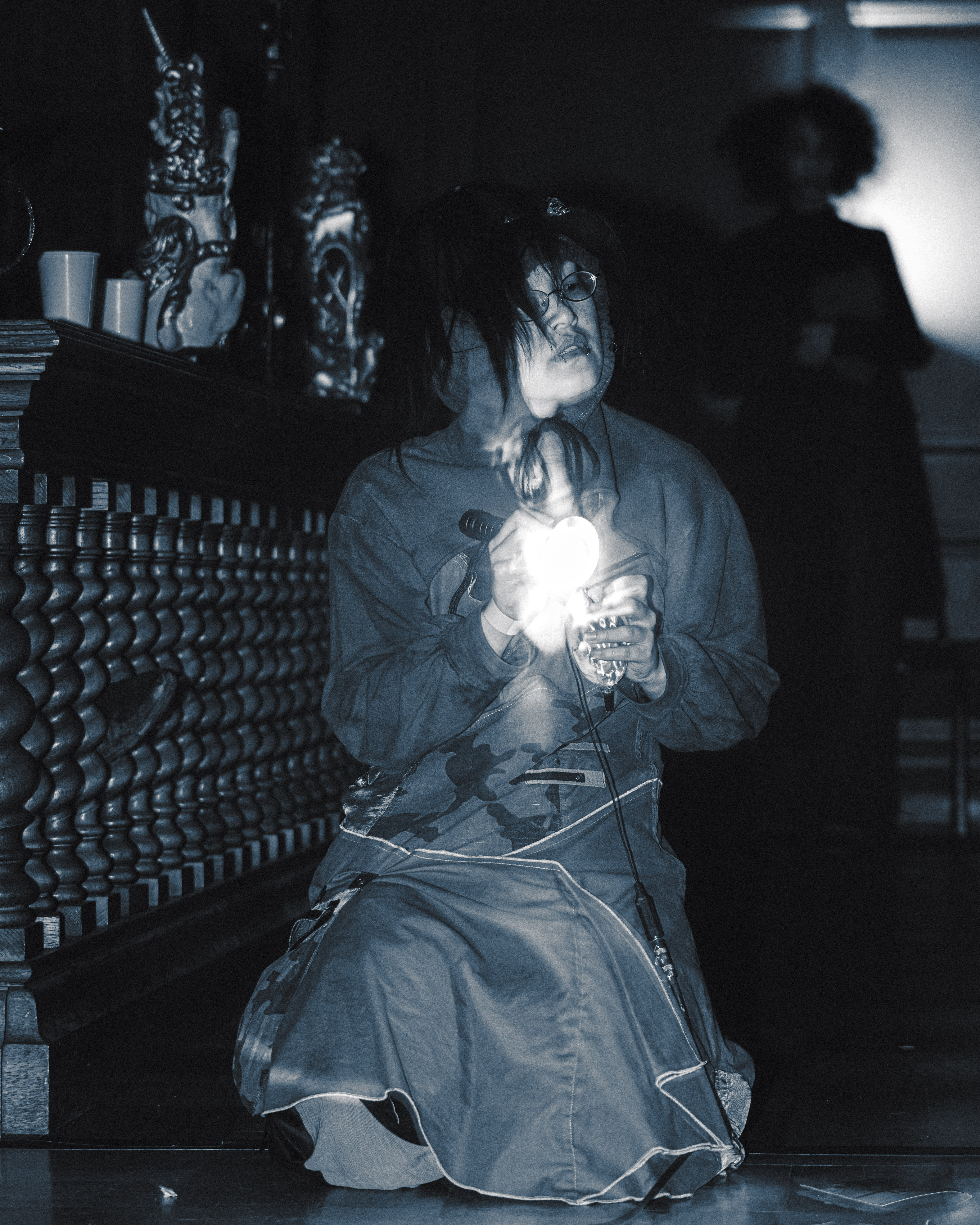
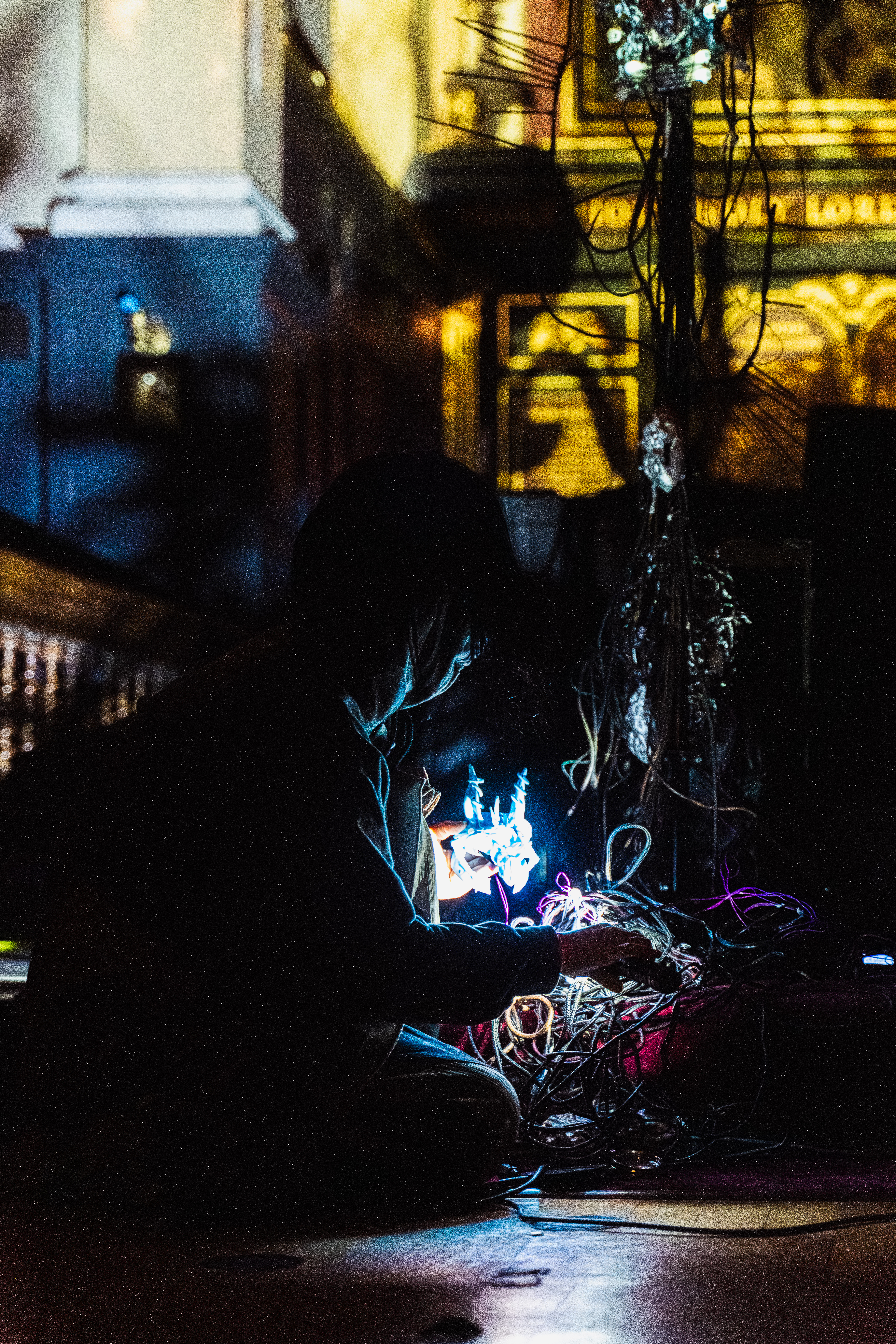
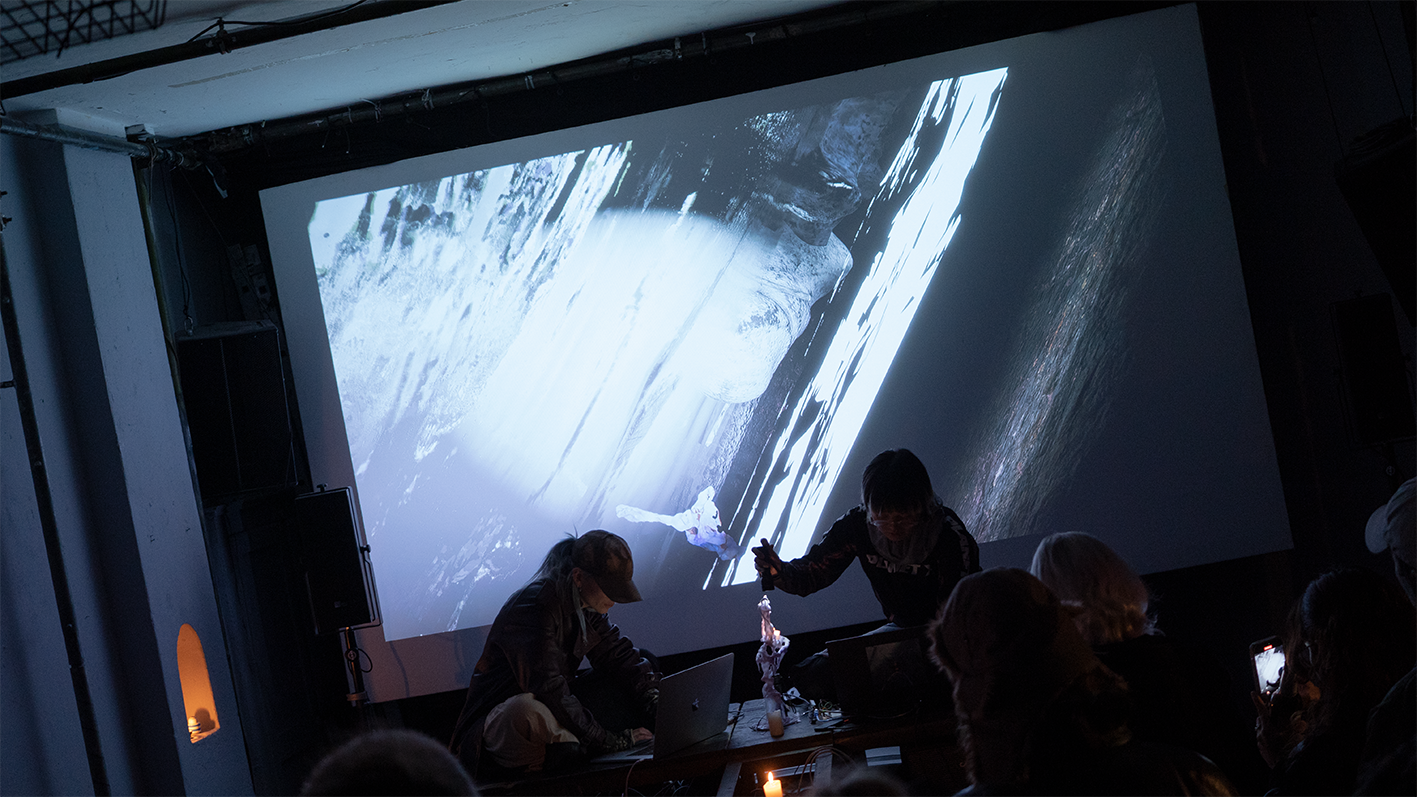
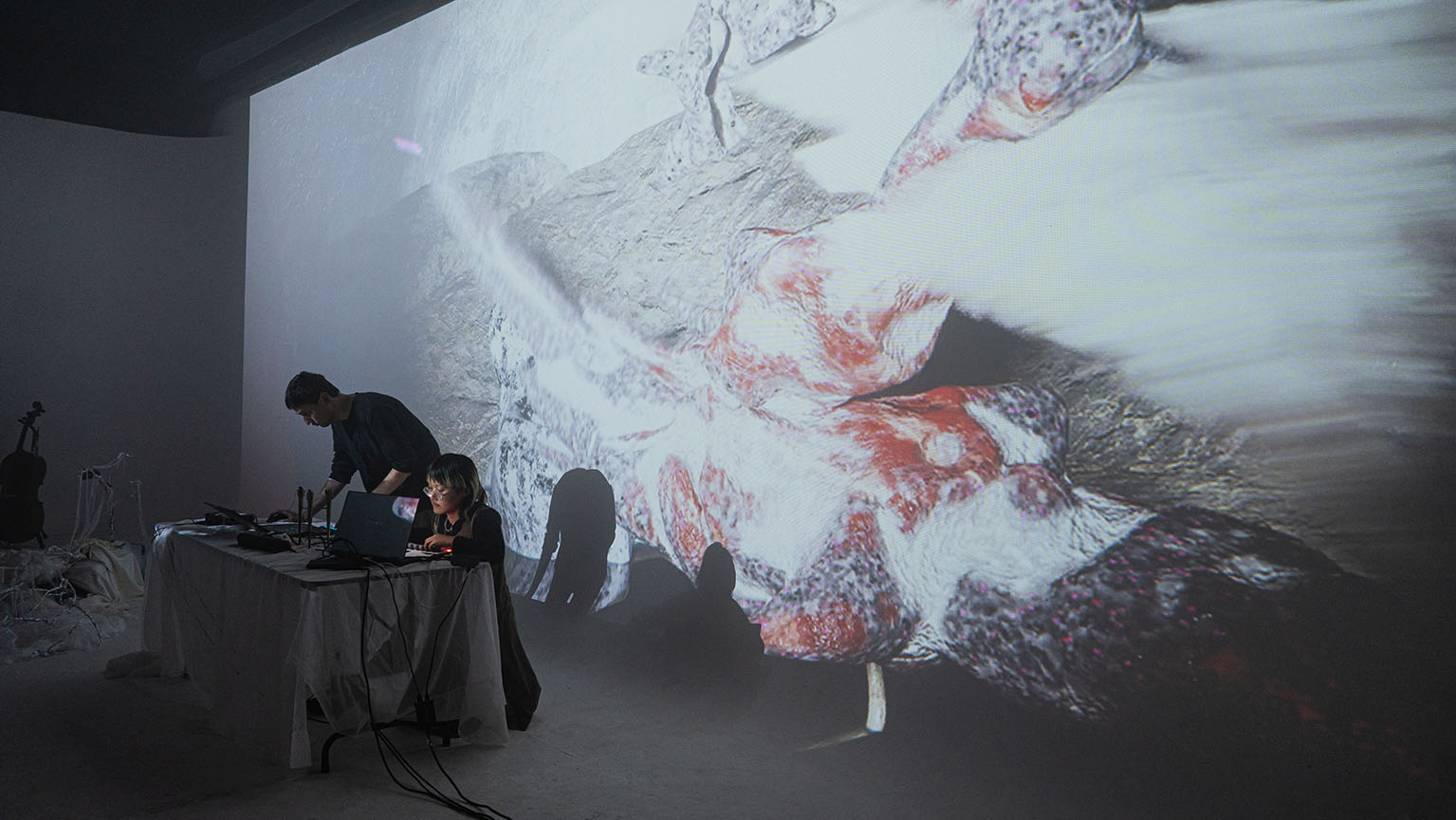
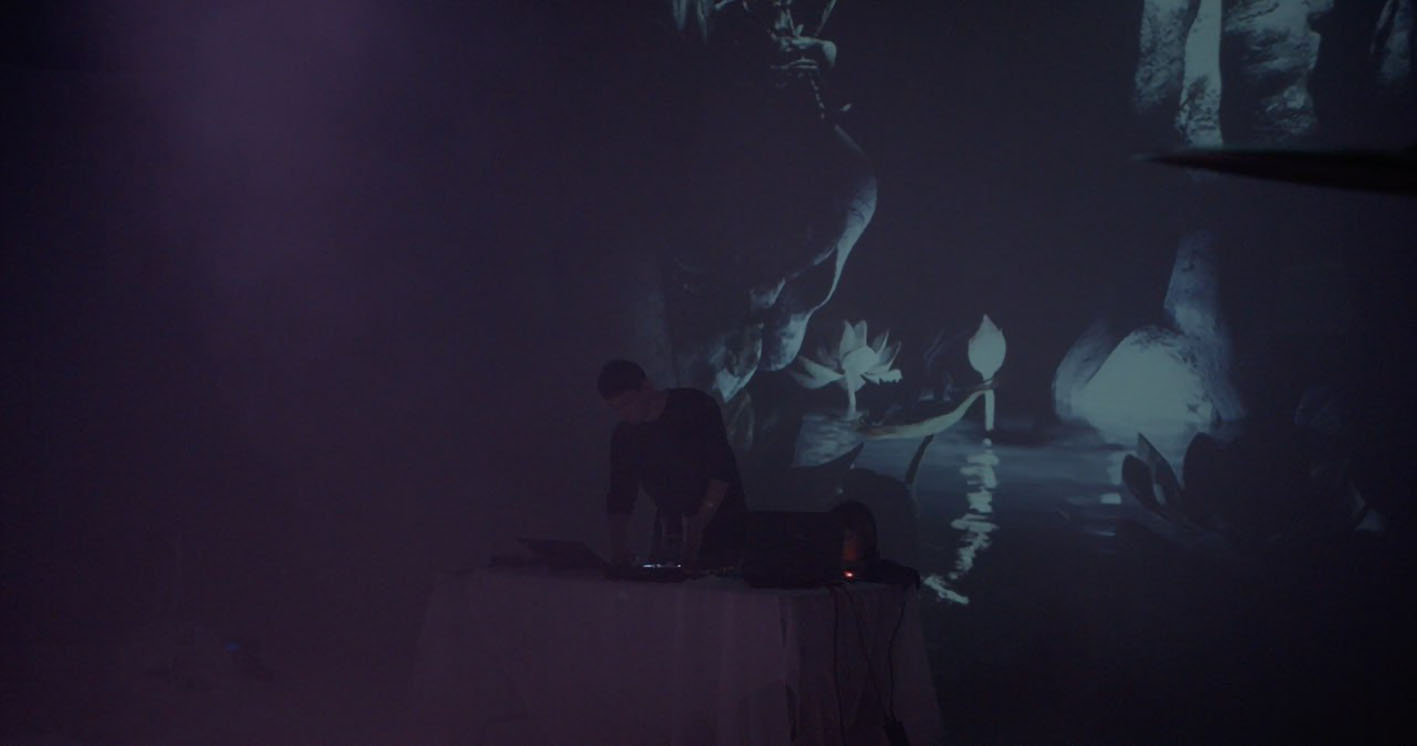
The project later developed into a live audiovisual performance system, integrating Unreal Engine, Max/MSP, and a custom bodily interface. In the performance versions, I enter the system as a performer. My body becomes an interface between sound, image, and real-time computation, triggering and disturbing the live environment.
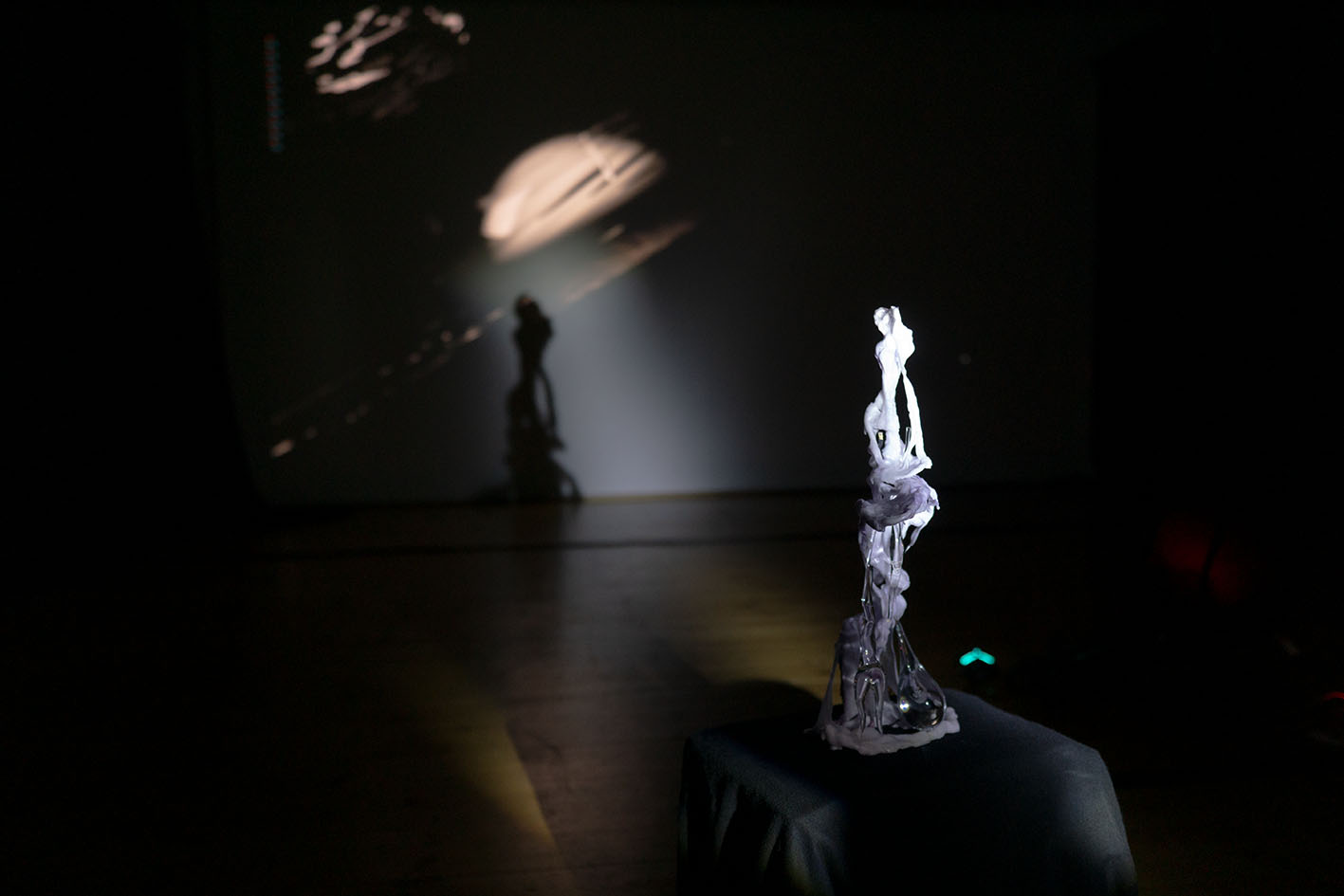
The work also draws on the Chinese story Painted Skin as a conceptual thread. Its structures of skin, surface, disguise, and failed recognition are translated into a bodily and spatial narrative. The scanned forest becomes a preserved skin, holding the traces of burning; the performing body becomes another unstable surface. Together, sound, light, skin, and real-time systems form a narrative of looking, recognition, and misrecognition.
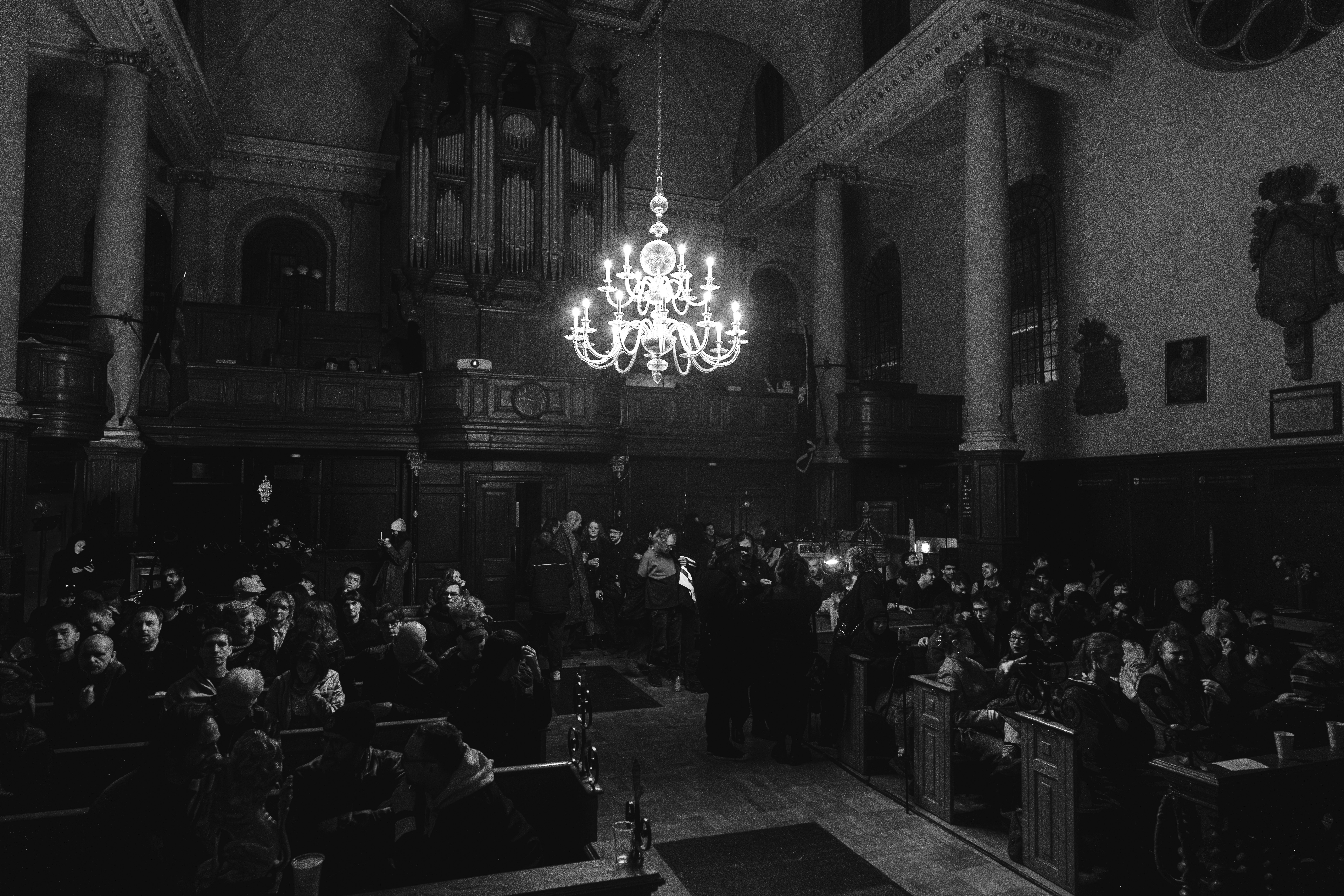
Half Body Is on the Ground and the Other Half Is Underground has been presented across performance and installation contexts, including outsideininsideout in Stadt Wehlen, Slug Gallery in Leipzig, Studio.db, Kunsthaus Kule, Dock 11 Digital, 90mil in Berlin, St James Garlickhythe, and Metamorphika Studio in London.